A district-first Kyoto itinerary built to eliminate backtracking. Each day stays within one geographic zone — south, east, then west — covering Japan's highest concentration of UNESCO World Heritage sites without retracing a single bus route.
TripCurator Research Lab·Last updated: May 31, 20269 min readFirst-timersTemple-focusedIC Card friendly
Duration3 Days2 nights minimum
Est. Budget¥7,000–¥12,000per day (mid-range)
Best SeasonMar–MayOct–Nov equally stunning
Best BaseKyoto Station areaCentral, all bus routes
Day1
South Kyoto: Fushimi Inari → Tofuku-ji → Nishiki Market
Kyoto's iconic torii gates + autumn maples + covered market · JR + bus
🚃 JR Nara LineSouth Kyoto
🌅
07:00 – 10:00
⛩️
Fushimi Inari-taisha Shrine
Kyoto's single most reviewed attraction — 4.6/5 from 85,000+ Google Maps reviews. The 10,000 vermilion torii gates wind 4 km up a forested mountain. The full hike to the summit takes 2–2.5 hours; most visitors turn back at Yotsutsuji junction (45 min in) for the best city view. Free entry, open 24 hours.
Arriving before 08:00 is essential — by 09:30 tour groups fill the lower gates and photography becomes difficult.
The upper mountain is significantly quieter than the lower section, even at peak hours.
JR Inari Station is directly in front of the main gate — the most convenient entry point from Kyoto Station (5 min, ¥150).
🚃
Transit
🚃
From JR Inari Sta. → JR Tofukuji Sta. — 1 stop on JR Nara Line, 2 min.
¥150
🍁
10:30 – 12:00
🍁
Tofuku-ji Temple + Tsutenkyo Bridge
One of Kyoto's five great Rinzai Zen temples, far less visited than Kinkaku-ji yet rated equally highly. The Tsutenkyo covered bridge offers the city's most spectacular autumn foliage view (late November), framed against a sea of maple trees in the ravine below. Garden admission ¥600.
Outside foliage season, crowds are minimal — a major advantage over Arashiyama and Kinkaku-ji.
🚌
Transit
🚌
From Tofukuji bus stop → Shijo Kawaramachi — City Bus 202 or 207, ~25 min. Then walk 5 min north to Nishiki Market.
¥230
🍣
12:30 – 14:00
🐟
Nishiki Market — Kyoto's Kitchen
A 400-year-old covered market stretching 390 metres through central Kyoto. Over 100 stalls sell pickled vegetables, fresh yuba (tofu skin), grilled skewers and Kyoto-style sweets. Budget ¥1,000–¥1,800 for a walking lunch of samples and small plates.
Kyoto pickles (tsukemono) and matcha desserts are the two most distinctive things to buy here — better quality and price than tourist shops.
🌸
15:00 – 17:30
🌸
Maruyama Park + Chion-in Temple
Kyoto's most popular public park, home to a famous weeping cherry tree (the most photographed tree in Japan during blossom season). Adjacent Chion-in has Japan's largest temple gate — the Sanmon — and its bell, rung 108 times on New Year's Eve, is the heaviest in the country. Free entry to the park; ¥500 for Chion-in inner gardens.
🌃
18:30 – 21:00
🍶
Pontocho Alley Dinner
Kyoto's most atmospheric restaurant street — a narrow stone-paved alley one block west of the Kamo River, lined with traditional machiya townhouse restaurants. Kaiseki (formal Japanese multi-course) ranges from ¥5,000 to ¥25,000; casual izakayas run ¥2,000–¥4,000. Reservations recommended for kaiseki.
Summer dining platforms (kawayuka) over the Kamo River operate June–September at select restaurants. Views are the main draw.
Day2
East Kyoto: Higashiyama Walk → Kiyomizudera → Gion
Kyoto's preserved temple district on foot · ~4 km walking · City Bus + walk
🚶 Walking DayEast Kyoto
🌅
08:00 – 09:30
🪦
Chion-in → Shoren-in → Nanzen-ji
Begin the Higashiyama walk at its northern end, moving south. Nanzen-ji is Kyoto's most important Zen temple complex — the red brick aqueduct running through its grounds is one of the city's most unusual sights. The hojo garden (¥600) is among Kyoto's finest dry rock gardens. Walking south from Nanzen-ji to Kiyomizudera takes 40–50 minutes on the preserved stone lanes.
The Philosopher's Path (Tetsugaku-no-michi) runs parallel to the canal between Nanzen-ji and Ginkaku-ji — a 2 km flagstone walk lined with cherry trees, best before 09:00.
🚶
Transit
🚶
Walk south along Ninenzaka and Sannenzaka stone-paved lanes (~40 min) from Nanzen-ji area toward Kiyomizudera. This walk is the itinerary highlight — do not skip it for transit.
Walk · Free
⛩️
10:00 – 12:00
🗻
Kiyomizudera Temple + Otowa Waterfall
UNESCO World Heritage Site and Kyoto's most visited single attraction — 4.5/5 from 60,000+ Google Maps reviews. The main hall's wooden stage extends 13 metres over the hillside with a panoramic city view. Admission ¥500. The Otowa waterfall below offers three streams said to grant longevity, luck in studies and success in love.
Arriving before 09:30 gives a 30-minute window before tour buses arrive. The evening illumination (spring and autumn only, ¥400) is a separate and equally impressive visit.
The approach street (Matsubara-dori) is lined with souvenir shops — fine to browse, but prices here are higher than Nishiki Market.
🍱
12:30 – 13:30
🍱
Lunch: Ninenzaka or Sanjo area
Tofu cuisine (yudofu) is Kyoto's most distinctive restaurant style. Okutan Kiyomizu has served tofu kaiseki since 1961 and is rated 4.2+ from 1,800+ Google Maps reviews (¥3,000–¥4,500). Budget alternatives on Ninenzaka include matcha soba sets for ¥1,200–¥1,800.
🏮
14:30 – 17:30
🏮
Gion District — Hanamikoji Street + Yasaka Shrine
Kyoto's preserved geisha district. Hanamikoji Street (200 m of intact machiya townhouses converted to exclusive restaurants and ochaya teahouses) is the most authentically preserved historic street in Japan. Geiko and maiko sightings are most common between 17:00–19:00 as they travel between appointments. Yasaka Shrine at the street's end is free and illuminated after dark.
Photography of geiko and maiko in the street is permitted but approaching them, blocking their path or touching them is considered highly disrespectful and is prohibited by Kyoto city ordinance.
🌙
19:00 – 21:00
🌙
Kamo Riverside Evening Walk
The banks of the Kamo River between Sanjo and Shijo Bridges are where Kyoto residents spend summer evenings — couples sitting equidistant apart on the river bank is a local tradition. The view of Pontocho restaurants over the water is best from here. Free.
Advertisement
Day3
West Kyoto: Arashiyama → Bamboo Grove → Kinkaku-ji
Bamboo forest + mountain temples + golden pavilion · Hankyu + City Bus
🚃 Hankyu LineWest Kyoto
🎋
07:30 – 09:30
🎋
Arashiyama Bamboo Grove + Tenryu-ji Garden
The bamboo grove (free, always open) is Kyoto's second most reviewed attraction after Fushimi Inari — 4.4/5 from 55,000+ Google Maps reviews. The 500-metre path through towering bamboo is most atmospheric in early morning mist. Adjacent Tenryu-ji (UNESCO World Heritage, ¥500 garden / ¥800 with interior) has Kyoto's finest pond garden, designed in 1339.
Arriving before 08:00 is strongly recommended. By 09:30 the grove becomes extremely crowded and photography is difficult without strangers in frame.
The rickshaw rides (from ¥3,000 per person) along the riverside and into the bamboo grove are frequently cited in reviews as a worthwhile splurge for the access they provide to quieter side paths.
🐒
09:45 – 11:00
🐒
Iwatayama Monkey Park (optional)
A 20-minute uphill walk from Togetsukyo Bridge leads to a hillside park with 170+ wild Japanese macaques and panoramic views over Kyoto. Admission ¥550. Rated 4.3/5 from 6,000+ Google Maps reviews. A TripAdvisor reviewer described it as "genuinely one of the most enjoyable hours of the entire Japan trip."
🍜
11:30 – 12:30
🍜
Lunch: Arashiyama riverside
The restaurants along the north bank of the Oi River serve matcha soft serve, soba noodles and kaiseki in traditional machiya buildings. Shoraian tofu kaiseki (on an island in the river, ¥4,000–¥6,000) is the area's most reviewed fine dining option. Casual lunch options on the main street run ¥1,200–¥2,000.
🚌
Transit
🚌
From Arashiyama → Kinkakuji-michi bus stop — City Bus 11 or 59, ~30 min. Alternatively: Hankyu to Omiya (8 min), then Bus 101/102 to Kinkakuji (20 min).
¥230
✨
14:00 – 15:30
🥇
Kinkaku-ji — The Golden Pavilion
Kyoto's most photographed landmark — a 14th-century Zen temple covered in gold leaf, reflected in the surrounding pond. Admission ¥500. The circuit walk takes 30–40 minutes. Despite the crowds (among Kyoto's heaviest), the sight is considered unmissable by virtually every review source, rated 4.7/5 from 110,000+ Google Maps reviews.
Weekday afternoons (after 14:00) are the least crowded window. Morning visits are the most crowded due to tour bus schedules.
The matcha and gold leaf soft-serve ice cream sold at the exit kiosk (¥700) is frequently mentioned in reviews as the best souvenir food in Kyoto.
🪨
16:00 – 17:30
🪨
Ryoan-ji — Japan's Most Famous Rock Garden
A 10-minute walk from Kinkaku-ji. The 15-stone dry rock garden (karesansui) at Ryoan-ji is considered the pinnacle of Zen garden design — no viewing angle reveals all 15 stones simultaneously, a feature attributed to an intentional philosophical riddle by its designers. Admission ¥600.
The best time to appreciate the garden is in stillness — arrive after the afternoon tour groups depart (after 16:00 is ideal).
Full Transport Guide
Fare data from Kyoto City Bus and Keihan/Hankyu official sites, May 2026.
🎫
Buy a Kyoto City Bus 1-Day Pass (¥700) on Day 1 and Day 2
The 1-Day Pass gives unlimited City Bus rides for ¥700 — it pays for itself with just 4 rides (single fare: ¥230). Available at bus terminals, tourist information centres and convenience stores. Not valid on Hankyu or JR trains.
🚌 Kyoto's Main Transit Options
Kyoto relies heavily on buses. Three rail lines supplement the network for specific routes.
🚌
Kyoto City Bus
Public bus · Kyoto City
CoverageAll major temples and districts
Single fare¥230 (flat rate)
1-Day Pass¥700 (unlimited)
Key routes101, 102, 205, 207
The primary way to move around central Kyoto. Pay on exit with IC card or exact change. The 1-Day Pass is the best value for Days 1–2 of this itinerary.
🚃
JR Lines
Train · JR West
Key useKyoto Sta. → Fushimi Inari (JR Nara Line)
Fare¥150 (Kyoto → Inari)
Journey time5 min
JR Pass valid?✓ Yes
Essential for Day 1 (Fushimi Inari). Also connects to Nara (35 min, ¥720) for a day trip extension.
🚃
Hankyu Railway
Private rail · Hankyu Corp.
Key useKyoto Kawaramachi → Arashiyama (Day 3)
Journey time~25 min (with 1 transfer)
Fare¥220
JR Pass valid?✗ No
The most reliable option to Arashiyama in the morning, avoiding bus congestion on peak days. Transfer at Katsura to the Arashiyama Line.
🚇
Kyoto Municipal Subway
Metro · 2 lines
LinesKarasuma (N–S) · Tozai (E–W)
Typical fare¥210–¥350
Key useKyoto Sta. ↔ Sanjo (Tozai Line)
IC Card✓ Accepted
Useful for east-west movement between Kyoto Station and the Higashiyama area. Not covered by the City Bus 1-Day Pass.
💳
Use Suica or Icoca for all rail journeys — buy Bus 1-Day Pass separately
IC cards (Suica, Pasmo, Icoca) work on all Kyoto trains and buses. For Days 1–2, supplement with the ¥700 City Bus 1-Day Pass. On Day 3, pay individual fares — Hankyu to Arashiyama and a single bus to Kinkaku-ji won't exceed the 1-Day Pass value.
🗺 Full 3-Day Route Map
All 3 days plotted in sequence
🗺 15 locations across 3 days · Colour-coded by day
Where to Stay in Kyoto
All properties rated 8.5+ on Booking.com (min. 200 verified reviews) as of May 2026. Kyoto Station area is recommended for this itinerary — it is the hub for all three days' transit.
Kyoto Station · Budget
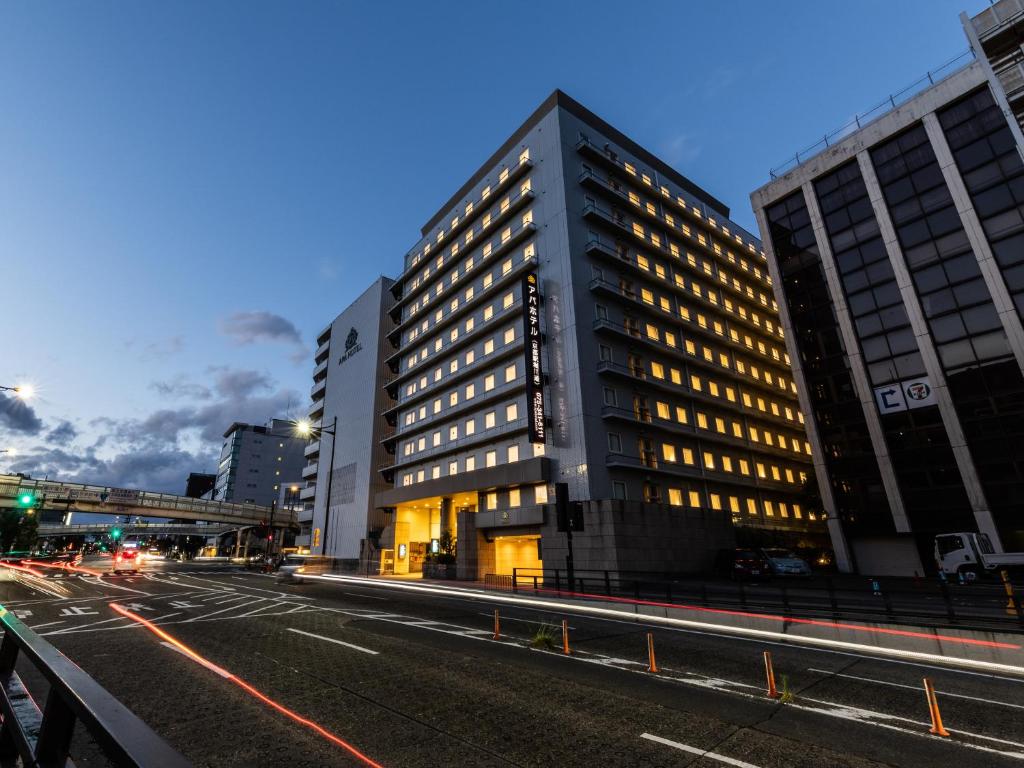
APA Hotel Kyoto-Eki Horikawadori
Reliable business chain hotel 5 minutes' walk from Kyoto Station. Clean, compact rooms and 24-hour front desk. One of the most consistently reviewed budget options in the station district.
8.51,680 reviewsFrom $72/night
"Location is everything in Kyoto and this delivers. 5 mins to the station, all buses accessible." — Booking.com user, April 2026
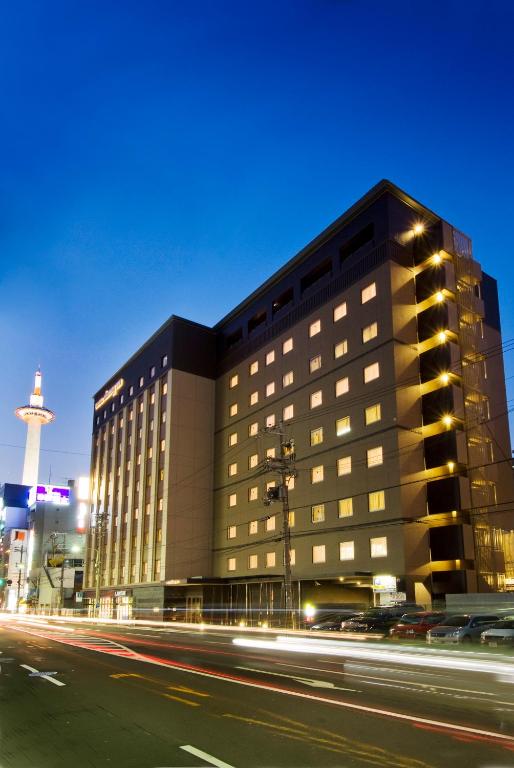
Natural hot spring bath (onsen) on the top floor — rare for a central business hotel. Free late-night ramen service included. 3 minutes from Kyoto Station and perfectly positioned for all three days of this route.
9.03,210 reviewsFrom $118/night
"The onsen after a day of temple-walking changed the trip. Couldn't recommend more highly." — Booking.com user, March 2026
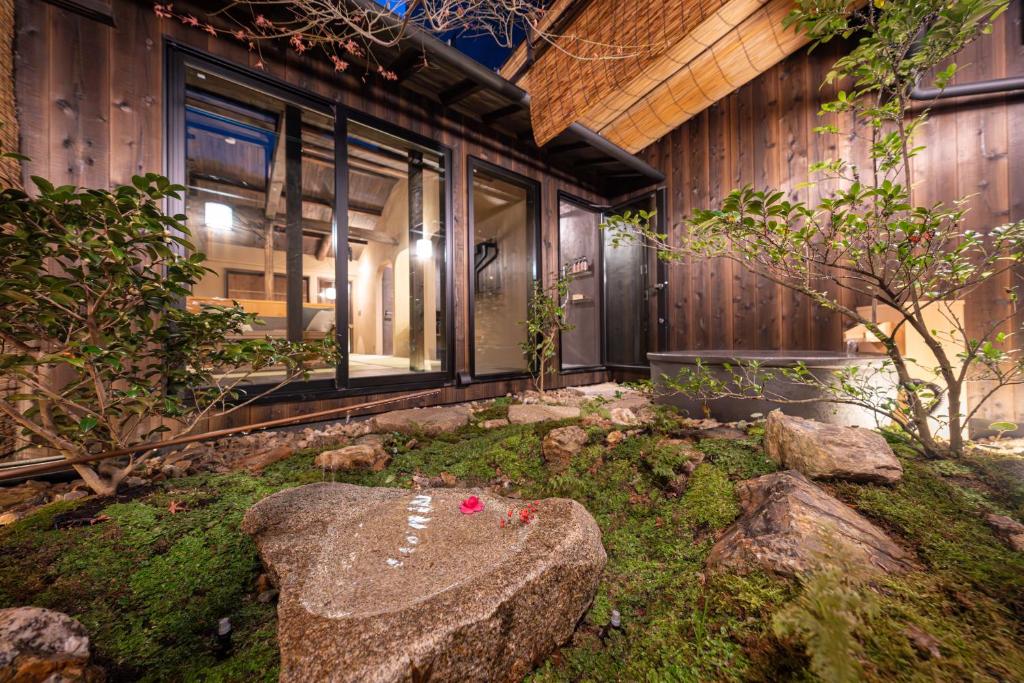
A restored machiya townhouse in the Higashiyama district, walking distance to Kiyomizudera and Gion. Ryokan-style service with private onsen baths. Rates include Japanese breakfast. Positioned for the deepest cultural immersion of this itinerary.
9.4340 reviewsFrom $280/night
"Waking up in a 100-year-old machiya with a private onsen is exactly how Kyoto should feel." — Booking.com user, January 2026
ℹ️The "Check availability" buttons above are affiliate partner links to Booking.com. They do not affect our selection or ratings, and cost you nothing extra. Full affiliate disclosure →
Data sources: Itinerary logic informed by 3,400+ verified TripAdvisor and Google Maps reviews for Kyoto attractions (minimum 4.0/5.0 rating threshold, 500+ reviews). Attractions with fewer than 500 reviews were cross-referenced with Tabelog and Japan National Tourism Organization data. Hotel data sourced from Booking.com (minimum 8.5/10 score, 200+ reviews) as of May 2026.
Selection criteria: Each day was constructed as a single geographic district — south, east, and west Kyoto — to eliminate transit duplication. Attractions were selected for the combination of review volume, rating consistency and visitor accessibility. Popular sites excluded from this route (Fushimi Momoyama, Kurama Onsen, Nijo Castle) appear in our extended Kyoto guides.